HUMAN RIGHTS AND DEMOCRACY LINK AFRICA (RIDE-AFRICA)  “We are a grassroots NGO dedicated to advancing human rights, gender equality, and community participation in development processes. We empower Uganda’s women, children, and vulnerable groups to thrive with dignity and equality.”

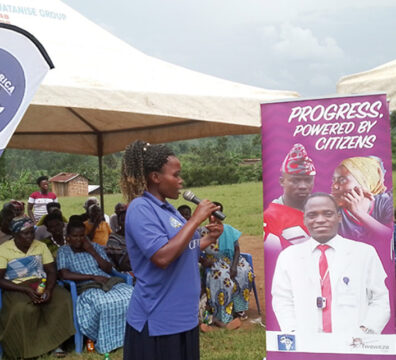
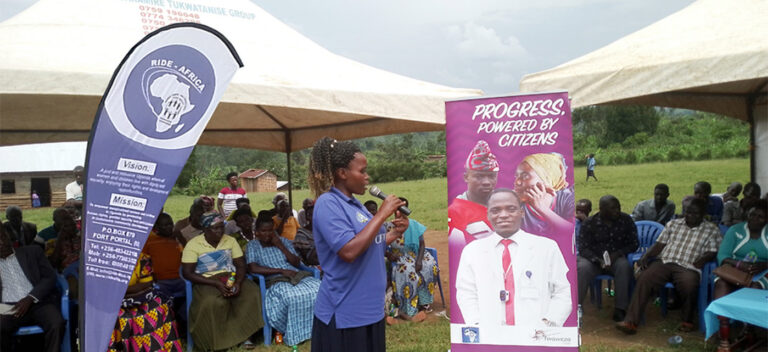
Maternal Health Awareness Session 

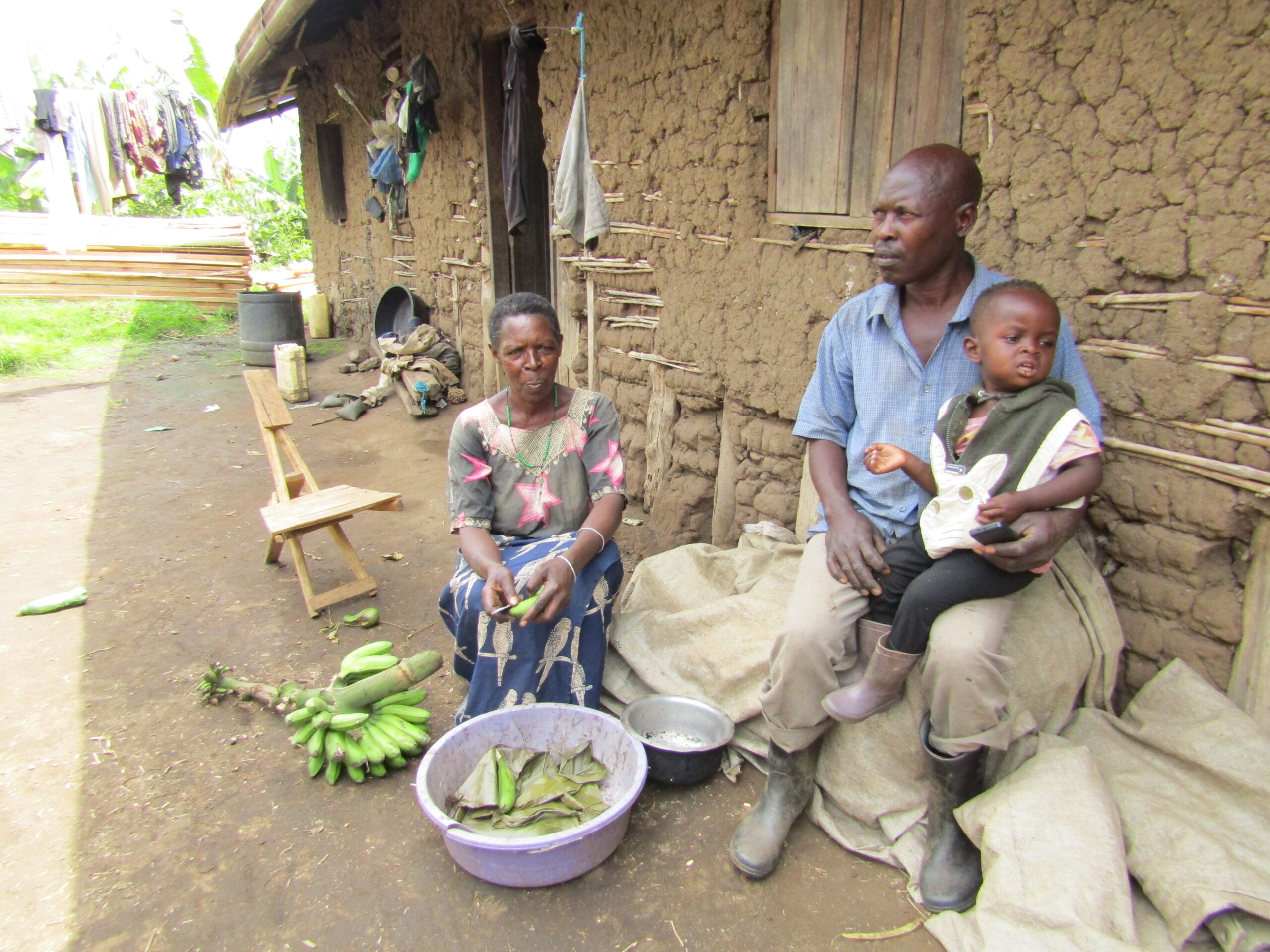
Uganda’s Growth and Gaps: A Rural Perspective

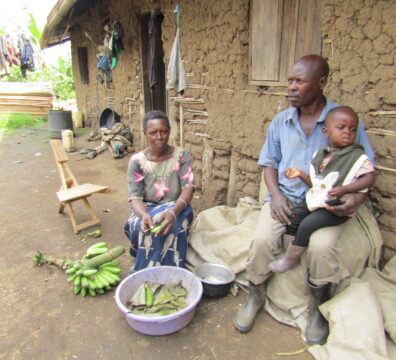
Uganda has made steady economic progress, with GDP growing by 5.3% annually between 2017 and 2021 (World Bank, 2023). Yet, for many rural communities, development remains out of reach. Deep inequalities continue to affect women, children, and vulnerable groups leaving them behind despite national gains.

In the Rwenzori sub-region, 40% of girls do not complete primary school, and 31% are married before adulthood (UDHS, 2021). These patterns fuel school dropouts and limit opportunities, slowing progress toward SDG 4: Quality Education

Gender inequality and violence remain a major challenge in Uganda, affecting women, children and men across their lifetimes. According to the national Uganda Violence Against Children Survey (VACS 2015), 3 in 4 young adults (aged 18–24) report having experienced some form of physical, sexual or emotional violence during childhood, and about one in three experienced two or more forms. Among children, roughly 59% of girls and 68% of boys report having suffered physical violence, while 35% of girls and 17% of boys report having experienced sexual violence before age 18. Among ever‑partnered women, national data from the Uganda Bureau of Statistics (UBOS 2020 Violence against Women and Girls Survey) show that approximately 55.5% have experienced physical and/or sexual intimate partner violence in their lifetime. These patterns of gender‑ and age-based violence, combined with inequality in economic and land rights, continue to undermine prospects for achieving Sustainable Development Goal 5 (Gender Equality) and Sustainable Development Goal 10 (Reduced Inequalities) across Uganda.

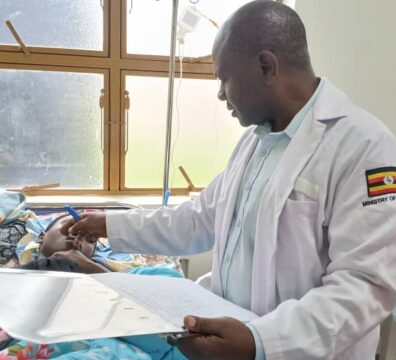
Despite progresses in health sector in Uganda, child and maternal health outcomes remain far from SDG targets. Nationally, 1 in 1,000 newborns dies at a rate of 22 per 1,000 live births, and under-five mortality stands at 52 per 1,000, which is more than double the SDG‑2030 target of 25 per 1,000. Maternal mortality remains high at 189 per 100,000 live births, far above the SDG‑target of 70. Unsafe and restricted access to safe abortion continues to contribute significantly to maternal morbidity and mortality which surpasses the national estimates of abortion rate at 39 per 1,000 women (15–49 years) and indicated that 5.3% of maternal deaths stem from abortion complications. In places like Fort Portal and the broader Rwenzori region, HIV prevalence of 14.1% exceeds national average of 5.1% worsened by staff shortages, inadequate equipment, and weal referral systems. All that continue to slow progress toward SDG 3: Good Health and Well‑Being

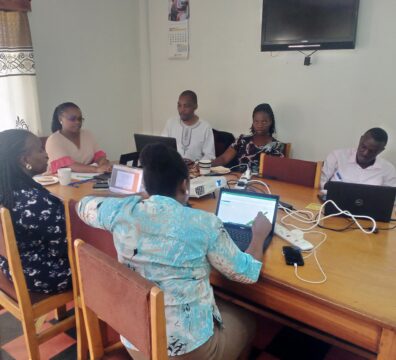
Weak accountability structures and limited citizen engagement undermine service delivery in rural districts. Without stronger civic participation, progress towards effective accountable and inclusive institutions at all levels (SDG 16: Peace, Justice, and Strong Institutions) remains a challenge.

Uganda is already feeling the heavy effects of climate change with rising temperatures, more frequent droughts, erratic rainfall, and periodic floods with severe impacts on food production, livelihoods and rural well‑being. According to the 2024 national environmental assessment, over 40% of Uganda’s land is now degraded, while wetlands and forest cover are shrinking, water and air quality are deteriorating. These conditions threaten agriculture-dependent communities and increase vulnerability to food insecurity, poverty and poor health.

At the same time, Uganda hosts large refugee and asylum‑seeker populations, many settled in ecologically fragile areas such as forests, wetlands and marginal land. The dependence on firewood, charcoal, timber and poles for cooking and shelter is putting significant pressure on natural resources.

The combination of all the above undermines sustainable rural development and slows progress toward multiple SDGs: SDG 13: Climate Action, SDG 2: Zero Hunger, SDG 1: No Poverty, SDG 15: Life on Land and SDG 3: Good Health and Well‑Being.

The above persistent gaps show that economic growth alone is not enough. Grassroots action is vital to bridge inequality, amplify community voices and ensure that women, children, and vulnerable groups can live with dignity, equality and avail them with opportunity to thrive. Through our work, we not only implement national policies, such as the National Gender Policy (2021), Children’s Act (Cap 62), NDP 111 and 1V. RIDE-AFRICA further conducts research and advocacy interventions to attain the desired change

Strategic Program Choices

Human Rights And Gender Equality.

Democracy And Good Governance.

Climate Change and Environment Conservation

Community Health System Strengthening.

Organizational Capacity Strengthening And Development .

Our Impact From 2014

100

School-going and out-of-school children

Reached through our child rights, education, and protection programs.

100

Women and caregivers

Benefiting from Village Savings and Loans, economic empowerment, and positive parenting initiatives.

100

Youth

Supported with vocational and green economy skills training for sustainable livelihoods.

Projects

Promotion and Protection of Children's Rights.
Community Led Governance and Accountability.
Parenting for Respectability.
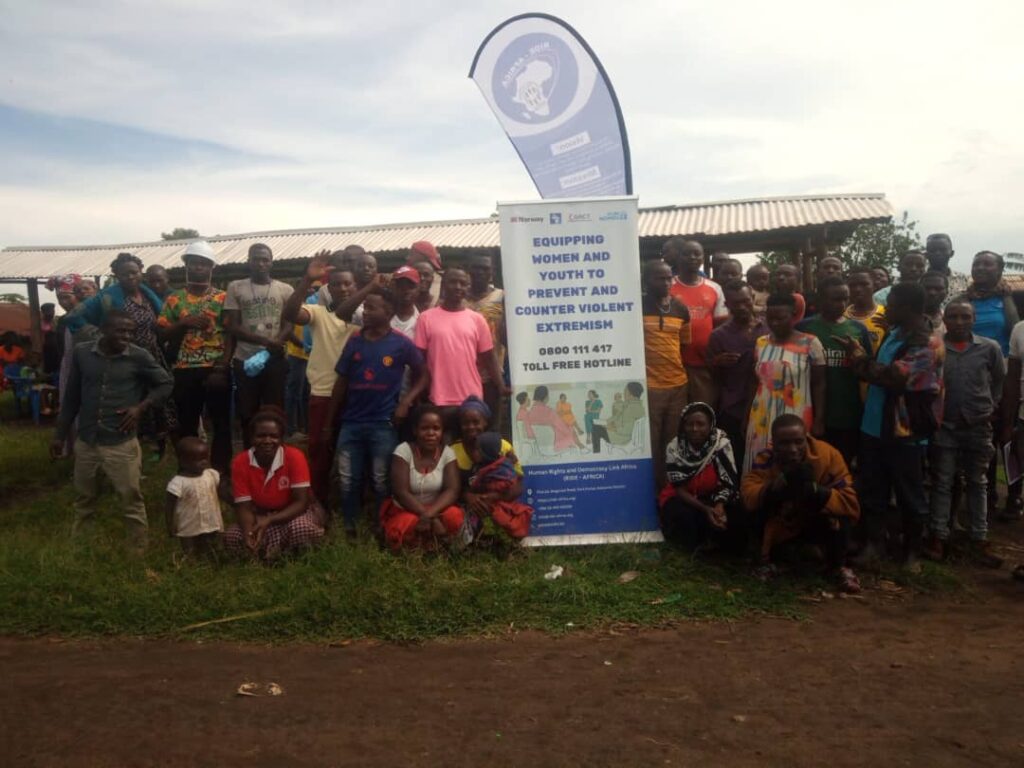
Equipping Women and Youth to Prevent Violent Extremism.
Economic and Social Support for Child Headed Household.
Village Saving & Loan Associations.
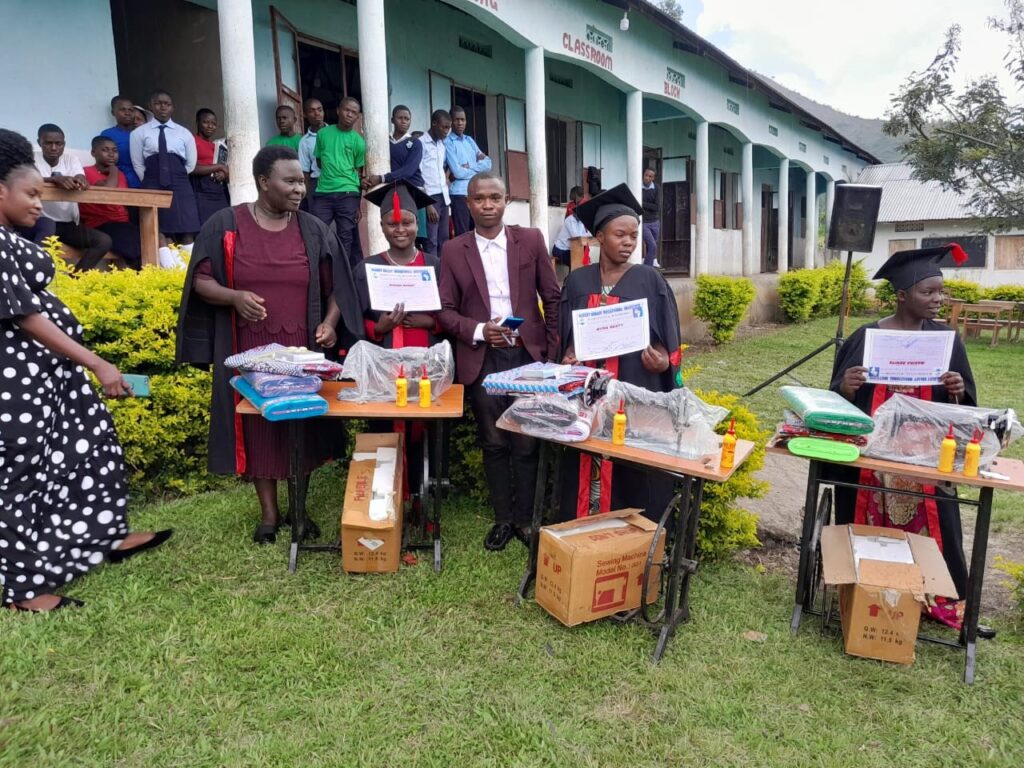
vocation Skills Training

News & Updates

When Citizens Speak, Change Happens.

On June 26th, 2025, over 380 people from 21 villages in Bufunjo Sub-county Kyenjojo District in Tooro Sub Region in...

Fort Portal City Commends RIDE-AFRICA for supporting Community Health

Fort Portal City Focal Point Person, Mrs. Evans Muzinduki, has commended RIDE-AFRICA for its outstanding contribution towards improving community health...
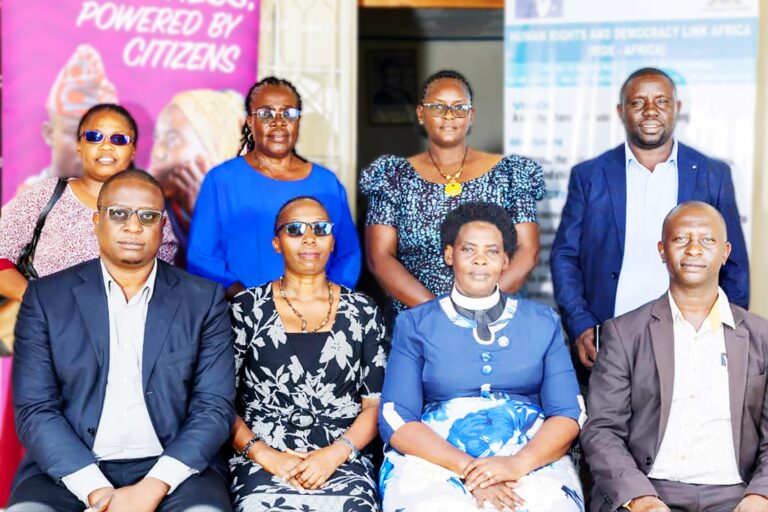
RIDE-AFRICA Appoints New Board to Strengthen Governance and Growth.

RIDE-AFRICA is happy to announce a new Board of Directors. This new team brings energy, new ideas, and strong commitment...

Current Partners

Translate »
Scroll to Top